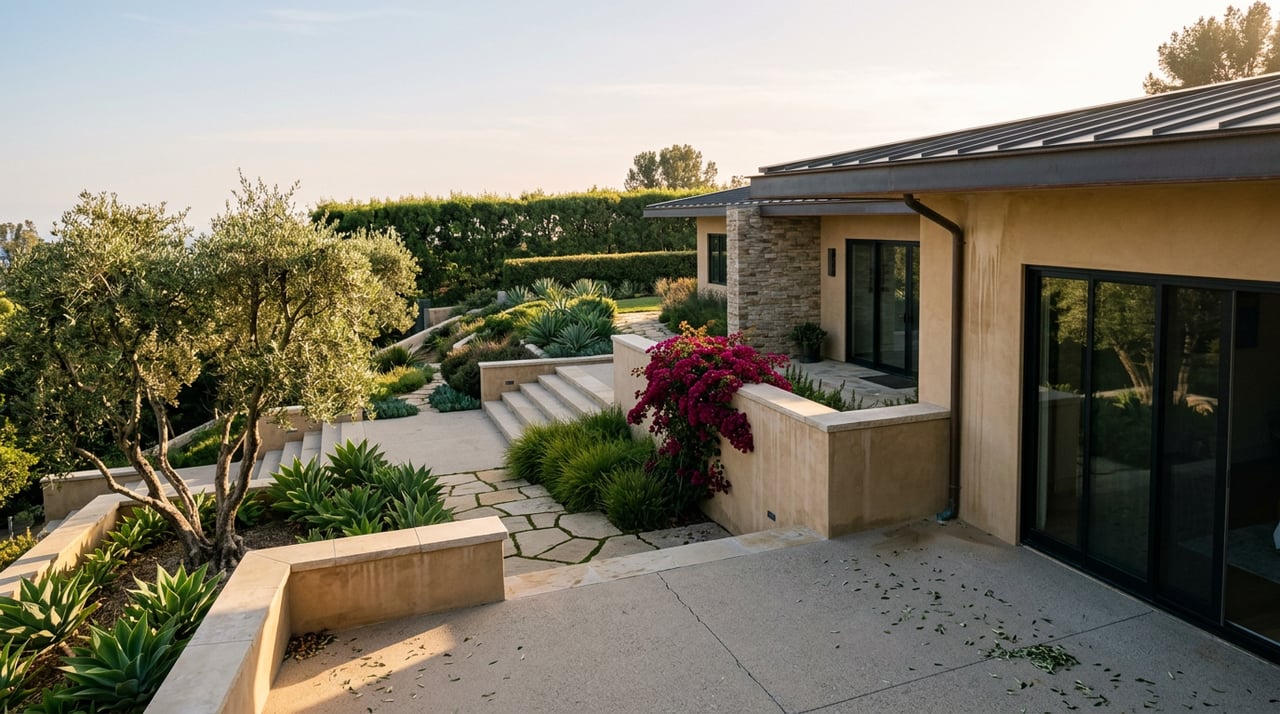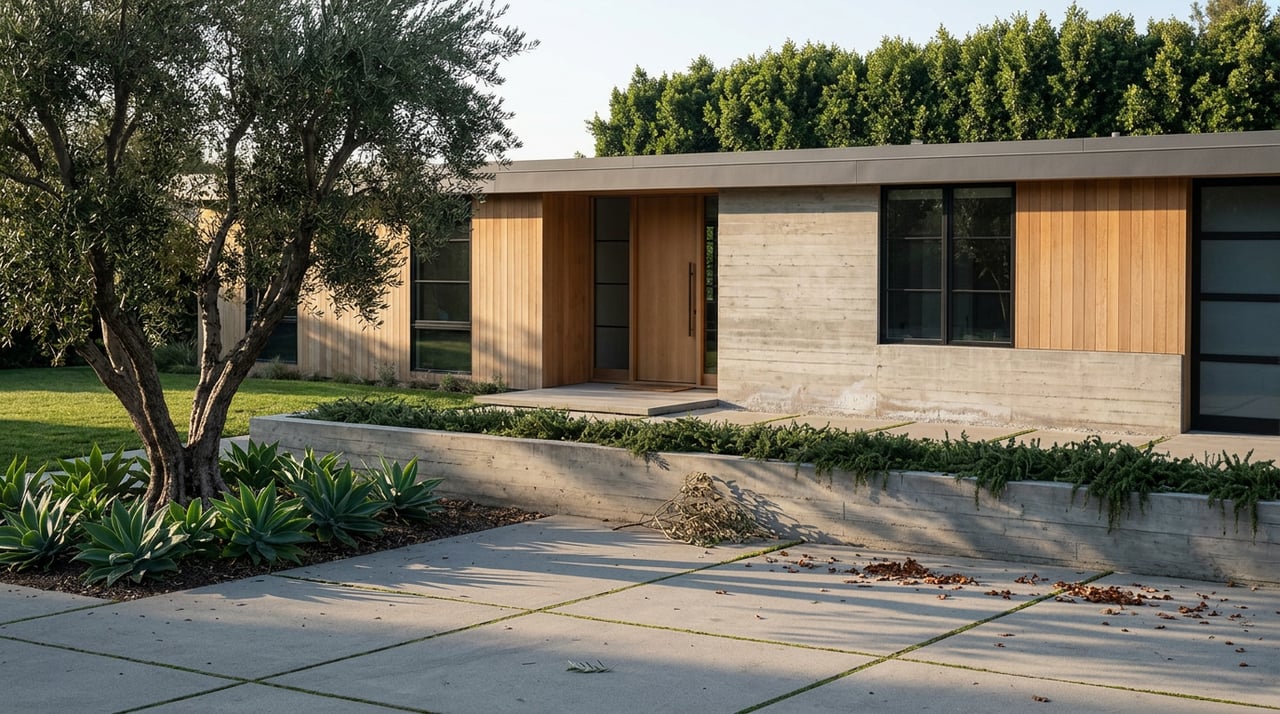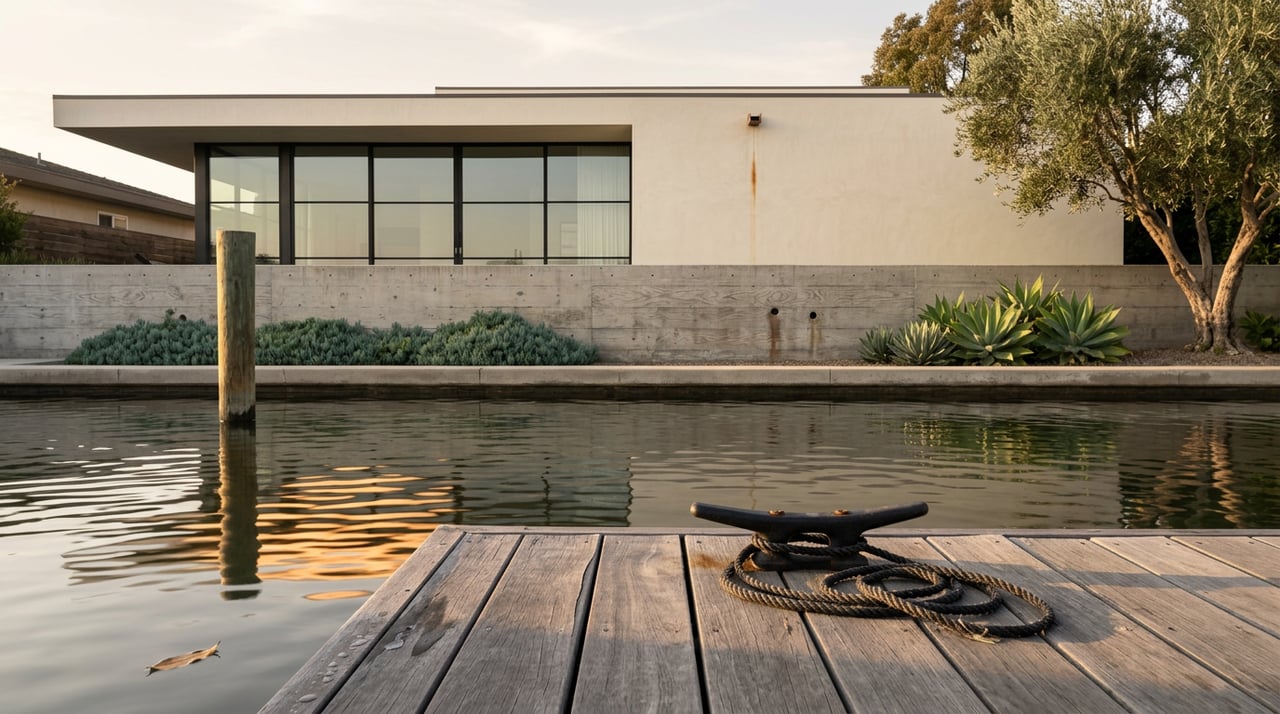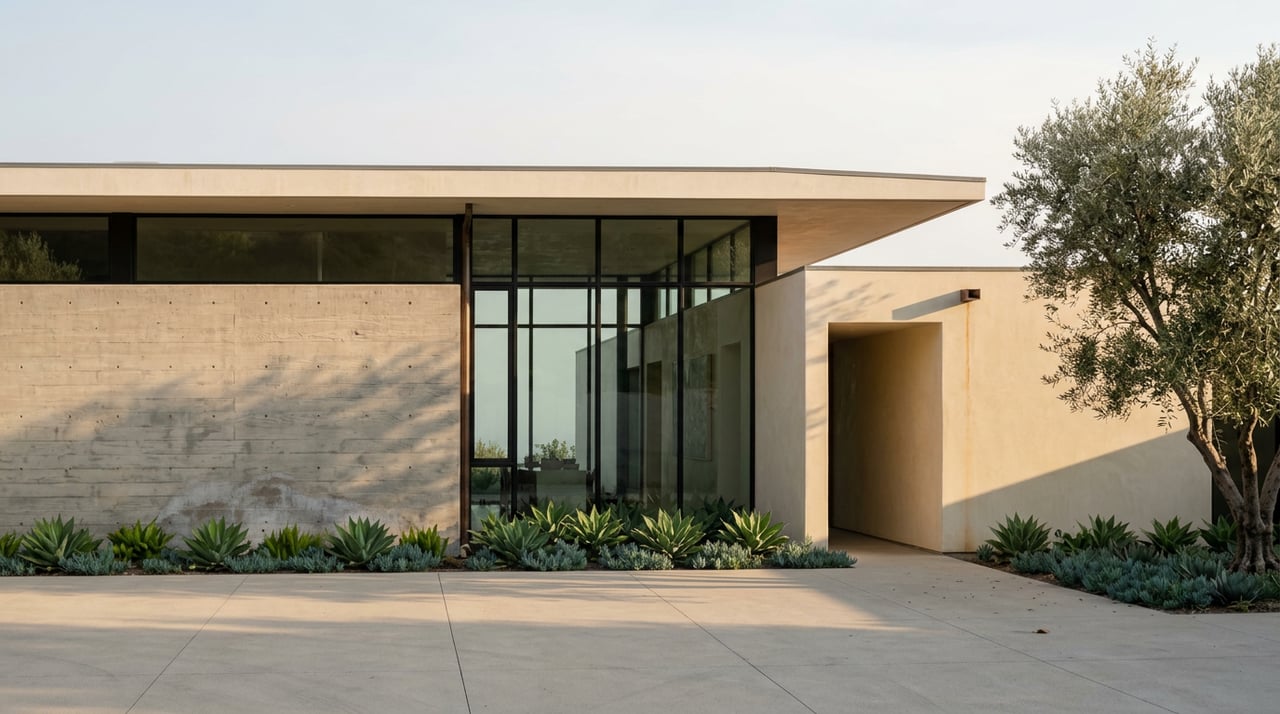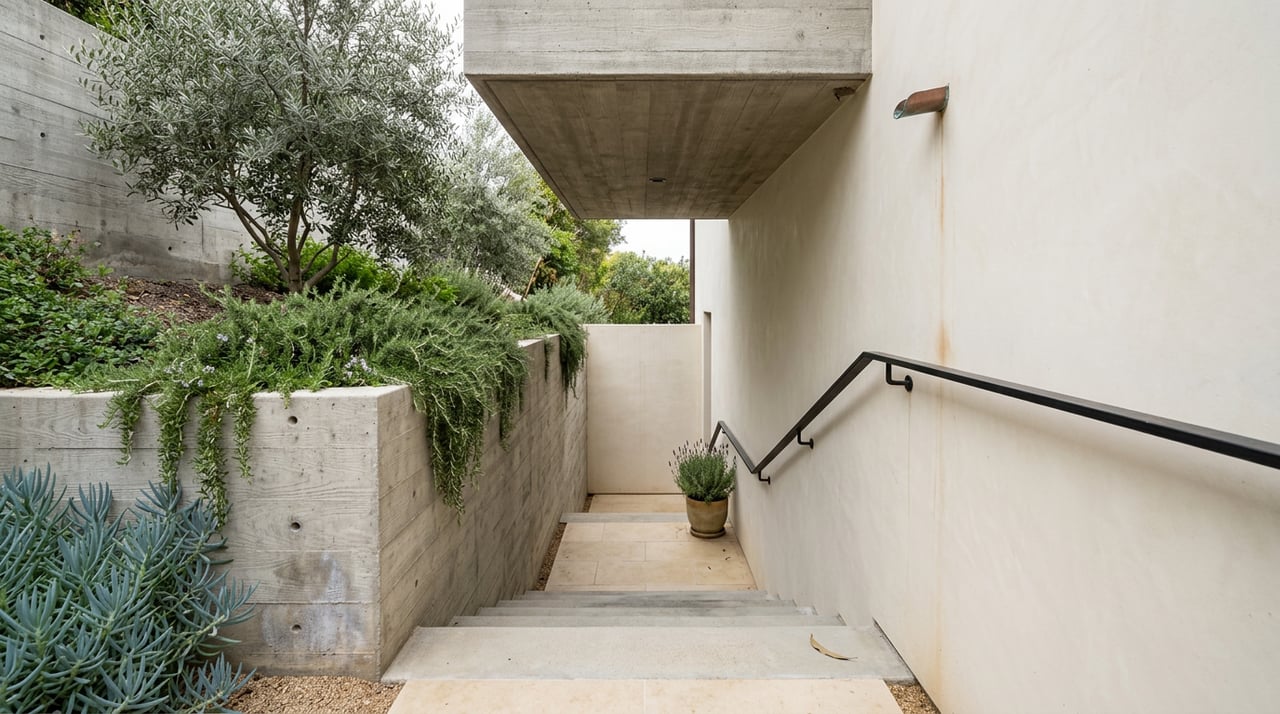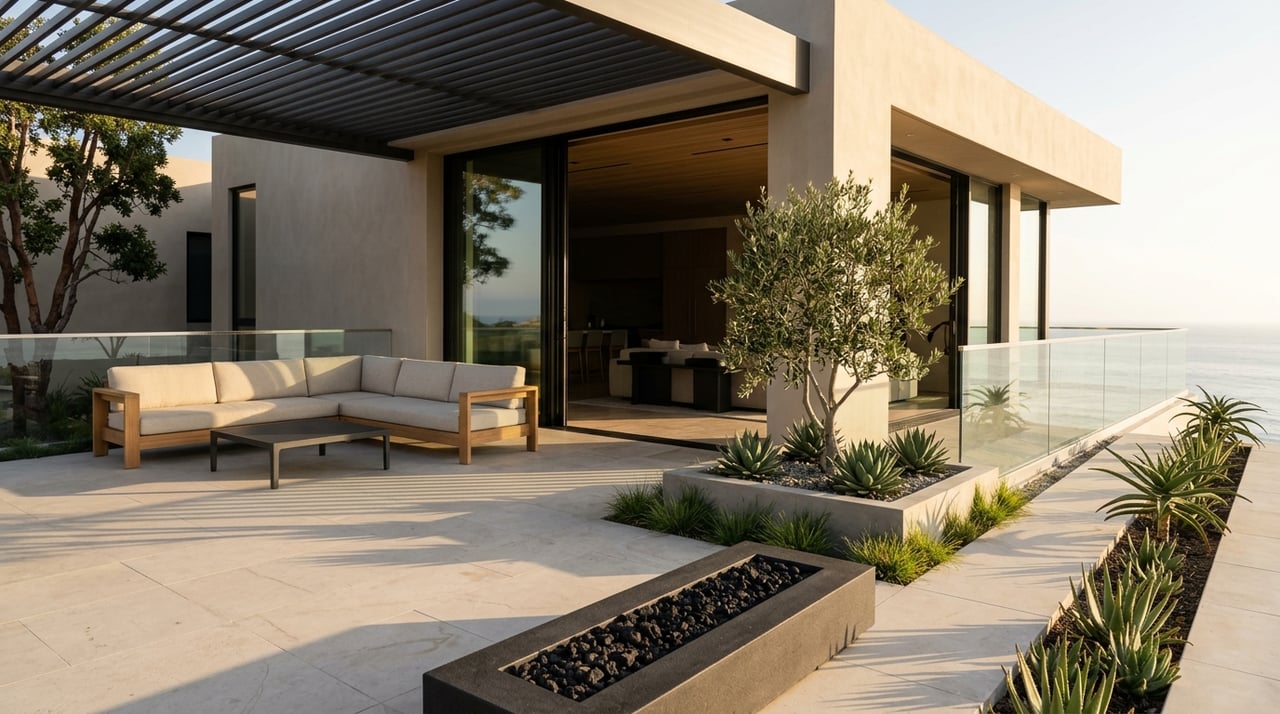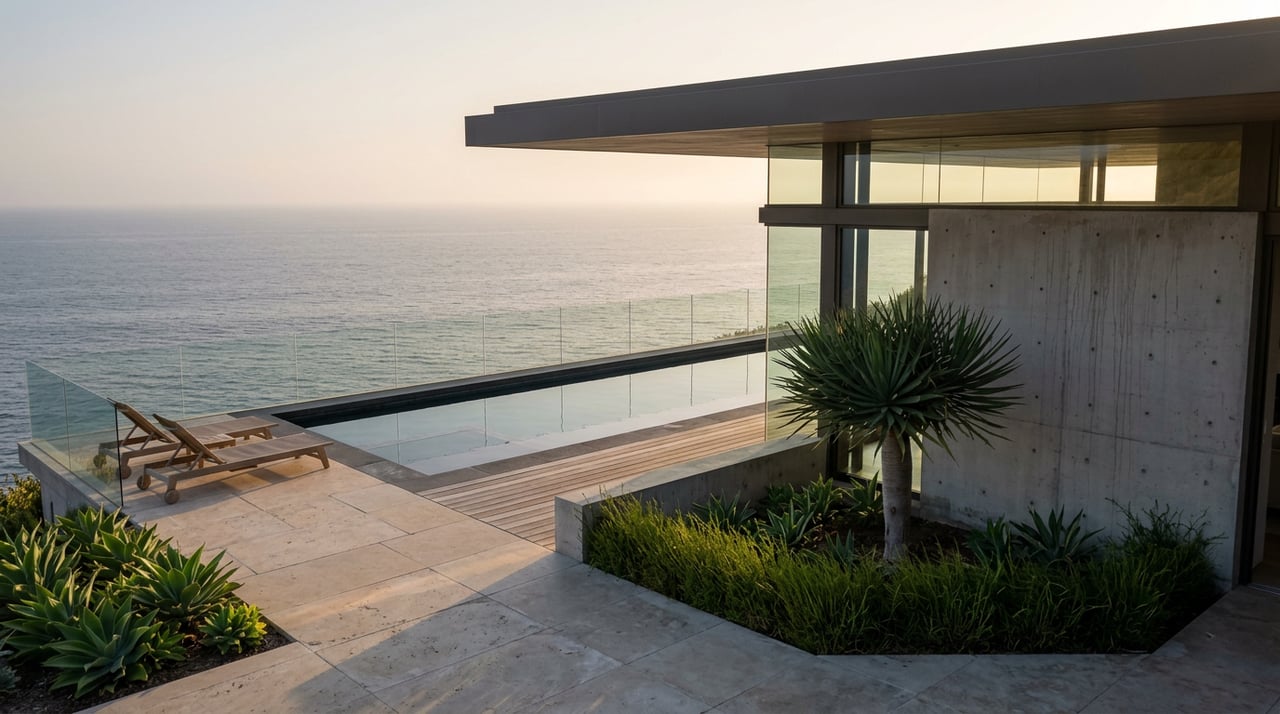
In April 2026, a one-bathroom cottage with no bedroom went on the market at 1041 Marina Drive in Laguna Beach. The interior measured 432 square feet, smaller than a two-car garage. The asking price was $18.8 million.
Run the math and the listing prices out at $43,519 a square foot. The lot is 8,499 square feet, a gentle southeast-facing slope with a private staircase down to Shaw's Cove. The structure itself is close to irrelevant. What the buyer is being asked to pay for is the ground it sits on and the ocean in front of it, as The Real Deal reported when the listing hit the market.
If you have been comparing homes by price per square foot, that number should stop you cold. It is the same metric a portal shows you next to a five-bedroom colonial in Ohio. In Laguna Beach it is measuring something else entirely, and the gap between what it claims to show and what it actually shows is wide enough to cost a buyer or seller real money.
A Number That Means Two Different Things at Once
Here is the contradiction hiding inside the citywide data. Over the three months ending May 2026, the median sale price in Laguna Beach rose 5.0 percent year over year to $3.1 million. Over that same window, the median sale price per square foot fell 15.4 percent to roughly $1,540.
A market where the typical home costs more but the typical square foot costs less is not two markets pulling in different directions. It is one number describing whatever happened to trade that quarter. If a run of larger canyon homes closes alongside fewer of the ultra-small, ultra-premium bluff parcels, the aggregate price per square foot drops even as total dollars paid climbs. The metric is reacting to the mix of what sold, not to any underlying shift in what land or views are worth.
That instability is the whole point. A single quarter's price-per-square-foot average cannot tell you what your specific address is worth, because it was never built to isolate the variable that actually drives Laguna Beach pricing.
The Same City, a $34,786 Spread
Marina Drive is not the only data point that makes this case. In 2022, a newly built spec home at 66 Emerald Bay sold for $43.5 million, setting a per-square-foot record for the market at the time. That record stood at $8,733 a square foot, a fraction of what the Marina Drive cottage would command four years later on a lot roughly a tenth the size.
Two record-setting numbers, same city, a spread of $34,786 per square foot between them. The Emerald Bay home was priced primarily for its size, its finishes, and its gated address. The Marina Drive cottage was priced almost entirely for its bluff position, its direct cove access, and a lot that could be rebuilt into something larger. Square footage told you almost nothing useful about either transaction on its own.
This is the pattern across every luxury sale in Laguna Beach worth studying closely. A home's view angle, whether it holds an unobstructed whitewater sightline or a partial glimpse from an upstairs window, moves price by millions between otherwise similar properties. So does the buildable area of the lot itself. A flat, legally clear parcel near the water is worth substantially more than a similarly sized lot on a steep slope that requires expensive retaining work and is limited by setback rules. Buyers at this price point are also absorbing costs that never show up in a listing's square footage figure: erosion exposure on bluff lots, elevated insurance premiums for coastal and hillside property, and Coastal Commission review on any future improvement. Experienced buyers price all of that in even when a listing description never mentions it.
Three Segments, Three Different Markets
The citywide numbers smooth over another layer of structure. As of May 2026, Altos Research data for Laguna Beach single-family homes put the median list price at $5,495,000, with new listings entering the market at a median of $5,240,000 and an average price per square foot of $1,929. There were 140 active listings, and the market's median days on market sat at 74, while the average stretched to 163. That gap between the median and the average is itself informative: well-priced homes are moving in roughly two and a half months, while a smaller number of overpriced or under-presented listings are sitting long enough to drag the average out past five months.
Underneath that headline figure, the market splits into distinct price tiers that behave differently from one another:
| Segment | Median price | Typical size | Median days on market |
|---|---|---|---|
| Core luxury | $3,995,000 | 4 bed / 3 bath, 2,490 sq ft | 70 days |
| Upper luxury | $7,450,000 | 4 bed / 5 bath, 3,539 sq ft | 91 days |
| Ultra-luxury | $18,444,000 | 4 bed / 6 bath, 4,777 sq ft, 8,000 to 10,000 sq ft lots | 203 days |
The pattern in that table is the real story. Days on market nearly triples between the core tier and the ultra-luxury tier, not because ultra-luxury homes are worse products, but because the buyer pool for a $18 million trophy property is a fraction of the size of the pool shopping in the $4 million range. Fewer qualified buyers means longer negotiation windows even in a market with real demand. A seller in the ultra-luxury tier who expects a 70-day sale because that is what the citywide median implies is working from the wrong benchmark entirely.
The Altos data for that week also showed the citywide Market Action Index at 30, up from 29 the prior month, which keeps Laguna Beach in slight seller's market territory. That is a market where a correctly priced home has the edge and an overpriced one loses it fast, not a runaway sellers' environment where any number works.
Where This Actually Plays Out
Segment and sub-market travel together in Laguna Beach. The gated enclaves of North Laguna, Emerald Bay and Irvine Cove, sit almost entirely in the ultra-luxury tier, where bluff position and private beach access are the baseline expectation rather than a bonus feature. Three Arch Bay in South Laguna runs in similar territory. The week of April 20, 2026, one of the notable closes in the local market was a $19.75 million sale in Three Arch Bay, a figure within the ultra-luxury tier, illustrating how consistently that gated community trades at the top of the city's range.
Move inland and the picture changes. Canyon neighborhoods like Top of the World and Temple Hills sit closer to the core and upper luxury tiers, trading square footage and privacy for the ocean proximity that drives the highest per-foot numbers elsewhere in town. The Village anchors a mix of everything: renovated cottages and condos that fall into the core tier alongside occasional walk-to-the-sand properties that jump straight into upper luxury territory based on a single block's difference in proximity to Main Beach.
None of these sub-markets share a comp pool with the others. A canyon home in Temple Hills and a bluff-top property in Emerald Bay can carry identical square footage and sell for prices that differ by a factor of five, because they are not competing for the same buyer.
The Practical Read
If you are pricing a home in Laguna Beach, whether you are the one selling it or the one bidding on it, the citywide price per square foot is close to useless as a standalone tool. What matters is answering three questions specific to that address. Which of the three luxury segments does the home's price point actually put it in, and what does typical days on market look like for that tier, not the citywide average. What is the view doing, direct whitewater, partial, or none, and how does that compare to the two or three closest true comps rather than the broader neighborhood. And what is the lot itself worth on its own, given its slope, its buildable area, and any coastal or engineering restrictions that would affect a future remodel or rebuild.
Those three questions produce a far more useful number than any aggregate the portals will hand you. They also explain why the Marina Drive cottage and the Emerald Bay mansion could both make headlines in the same city for setting records at opposite ends of the price-per-foot scale. The structure was never the product being priced. The address was.
FAQ
Does a bigger lot always mean a higher price in Laguna Beach? Not automatically. Lot size matters, but buildable area matters more. A large lot on a steep slope with limited flat pad space and Coastal Commission restrictions on grading can be worth less than a smaller, flat, legally clear lot closer to the water.
Why did price per square foot fall while the median sale price rose over the same period? Because the two numbers are measuring different things. Median sale price reflects the typical dollar amount paid. Price per square foot is highly sensitive to the mix of properties that happened to close in that window, so a shift toward larger homes or away from ultra-premium micro-lots can pull the per-foot average down even while overall prices climb.
How do I find out which segment my home or target property actually falls into? The three-tier breakdown above is a starting point, but the real answer comes from comparing a specific address against its two or three closest true comps by view, lot, and sub-market, not from a citywide average.
If you are trying to price a Laguna Beach home accurately, whether you are listing one or bidding on one, the number on the portal is a starting conversation, not an answer. Team Todd reads these comps by segment and sub-market every week. Let's do this right.
This article is general information, not legal, tax or financial advice. Consult a qualified professional about your situation.